

When issuing invoices, it is important to apply the correct VAT treatment. In some cases, that means not charging VAT at all. Although most UK businesses charge VAT at the standard rate of 20%, there

Tax effects of letting out part of your home
If you have tenants living in your property, it is important to understand the Capital Gains Tax (CGT) implications. In most cases, there is no CGT to pay when you sell a property that has been your

Meaning of trade for tax purposes
The meaning of trade for tax purposes, often referred to as HMRC’s “badges of trade” test helps determine whether an activity is a genuine business or simply a personal hobby. While the
Which supplies are zero rated for VAT?
Understanding which supplies are zero rated for VAT is essential for any business. A zero-rated supply is still a taxable supply, but it is charged at a 0% VAT rate. This distinction is important
Why inflation matters when funding pension funds
When planning pension funding, inflation is often acknowledged but not always fully reflected in contribution decisions. Using an average inflation rate of around 5% over recent years helps to

Creative businesses to benefit from government finance package
The government has announced a new package of measures designed to improve access to finance for creative businesses across the UK. The initiative aims to support firms operating in areas such as

HMRC reminder for self-employed and landlords
If you have not yet checked whether you need to use Making Tax Digital (MTD) for Income Tax, you should do so urgently. HMRC has issued a timely reminder that for many self-employed and landlords the
Check how to claim a tax refund
If you believe that you have overpaid tax to HMRC, you may be entitled to claim a tax refund. Overpayments can occur for a variety of reasons, including changes to employment, incorrect tax codes or

Simplified expenses on motor vehicles
There are simplified expenses arrangements available for sole traders and business partnerships (with no corporate partner) that allow the use of fixed mileage rates instead of working out the actual
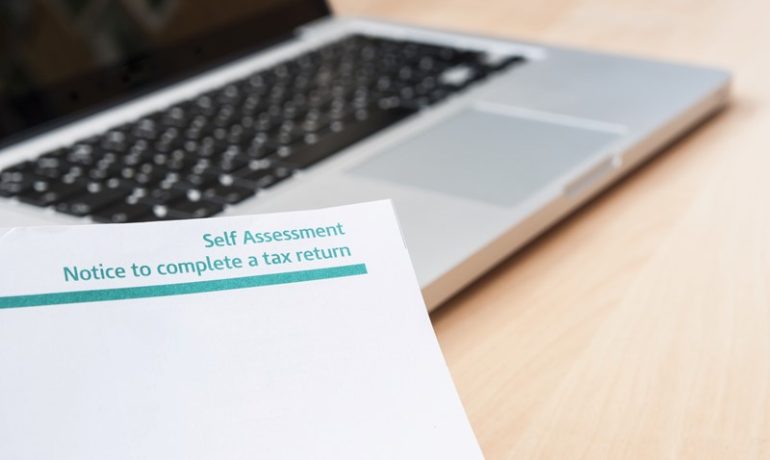
Who needs to file a self-assessment tax return
There are several reasons why you might need to file a self-assessment tax return. This could apply if you are self-employed, a company director, have an annual income over £150,000, or receive income